Shop Science Education Supplies for Classrooms, Experiments & Practical Learning in Lithuania
Science becomes easier to understand when students can connect concepts with practical activities. Science education supplies can support classroom demonstrations, experiments, observations, measurements, and science projects across different learning levels. It can also help teachers turn theoretical lessons into interactive learning experiences. From simple classroom demonstrations to structured laboratory activities, the right tools can encourage students to observe, measure, test, and draw their own conclusions.
Ubuy Lithuania offers learning and discovery products, from hands-on experiment kits to microscopes, measuring instruments, laboratory tools, and accessories. The right products depend on the subject being taught, students' age and skill level, classroom setup, and the type of activities planned.
Explore Different Types of Science Education Supplies
Science learning covers several disciplines, so educational tools can range from simple activity kits to equipment used for structured laboratory exercises.
Science Experiment Kits
Science experiment kits provide materials and instructions that let students explore scientific concepts through hands-on activities. Kits may focus on chemistry, physics, biology, electronics, earth science, or general STEM topics.
When choosing a kit, consider the recommended age range, learning objectives, number of activities, included materials, and whether additional supplies are required.
Science Learning and Project Kits
Science learning kits can introduce concepts through guided activities, models, experiments, and demonstrations. They can support classroom instruction and independent learning at home.
For school assignments and demonstrations, science project kits can provide a starting point for exploring a particular concept. Look for kits that match the student's level and offer enough scope for observation, testing, and documentation.
Student Microscopes
Student microscopes allow learners to examine specimens and develop practical observation skills. Different models vary in magnification, illumination, optical configuration, and viewing method.
For younger students, straightforward controls and durable construction can be useful. More advanced learners may benefit from models offering higher magnification or digital imaging capabilities.
Science Measuring Tools
Accurate measurement is an important part of experiments and exploration. Science measuring tools can include thermometers, graduated cylinders, balances, rulers, timers, measuring spoons, and other instruments.
Choose measuring equipment according to the quantities, units, precision, and materials involved in the intended activities.
Chemistry, Biology & Physics Equipment
Chemistry lab equipment can include beakers, test tubes, flasks, measuring equipment, racks, and other tools used for demonstrations and experiments.
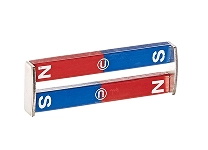
Biology lab equipment may include microscopes, specimen containers, slides, forceps, and observation tools. Physics lab equipment can range from measuring instruments to apparatus used to demonstrate principles involving motion, light, electricity, magnetism, and energy.
Always check age suitability and follow appropriate classroom safety procedures when using laboratory equipment.
Compare Science Education Supplies at a Glance
Different products support different teaching and learning objectives.
| Product Type | Best Suited For | Key Features to Consider | Typical Applications |
| Science Experiment Kits | Guided practical activities | Age range, activities, included materials | Classroom experiments |
| Science Learning Kits | Concept-based learning | Learning level, activity variety | STEM and science lessons |
| Science Project Kits | School projects | Scope, materials, instructions | Demonstrations and assignments |
| Student Microscopes | Observation and biology | Magnification, optics, illumination | Specimen study |
| Science Measuring Tools | Practical measurement | Accuracy, range, units | Experiments and demonstrations |
| Chemistry Lab Equipment | Chemistry activities | Material, capacity, compatibility | Mixing and measurement |
| Biology Lab Equipment | Biological observation | Magnification, specimen handling | Biology lessons |
| Physics Lab Equipment | Physics demonstrations | Measurement range, setup | Motion, light, electricity |
Choosing Science Supplies for Classroom Learning
Start by identifying the learning objective rather than simply selecting the most advanced equipment. A product intended for elementary students may prioritise simplicity and hands-on discovery, while advanced learners may require greater quality and accuracy and more specialised equipment.
Teachers should also consider classroom size, storage requirements, durability, consumable materials, and how many students will use each item. Products should be appropriate for the learners' age and used according to manufacturer instructions.
For laboratory activities, safety should remain a core consideration. Check materials, protective requirements, operating instructions, and any relevant warnings before introducing equipment into classroom activities.
Explore Science Education Supplies From Popular Brands
Ubuy Lithuania features products from brands offering different types of educational and scientific equipment.
AmScope
AmScope specialises in microscopes and optical equipment, including models suitable for educational and laboratory applications. When comparing its products, consider magnification, objective configuration, illumination, viewing options, and whether students need a basic or more advanced microscope.
Aomag
Aomag offers educational and science-oriented products that can support hands-on learning and classroom activities. Shoppers can compare individual products based on their intended activity, included components, age suitability, and instructional requirements.
Laserlands
Laserlands focuses on laser- and optical-related products relevant to demonstrations involving light and related scientific concepts. Before selecting such equipment for education, check specifications, intended applications, and applicable safety requirements.
You can also explore industrial supplies for additional tools and equipment that may support practical science and technical learning environments.